Bioengineered Foods: The Real Truth

Bioengineered Foods: The Real Truth

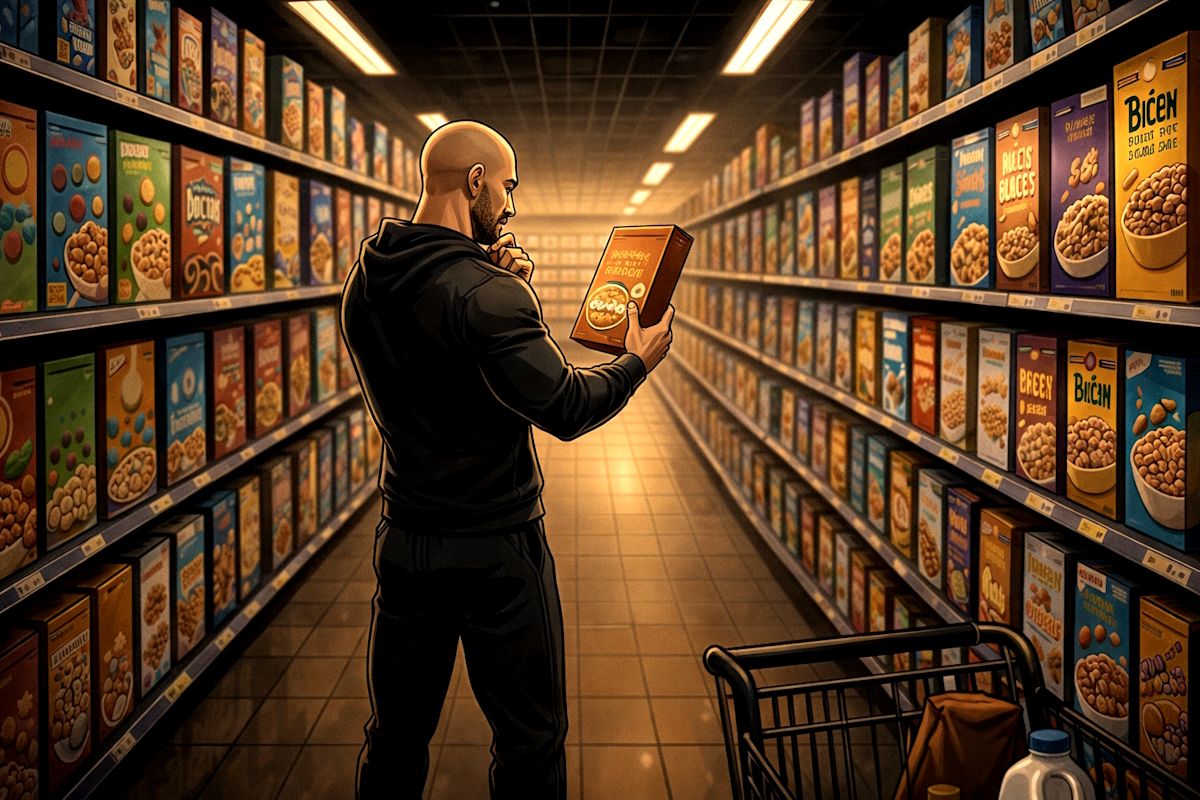
I was standing in the cereal aisle the other day.

Holding a box of Honey Nut Cheerios like it was some kind of moral dilemma.

“Contains bioengineered ingredients.”

Sounds intense.

Like I’m about to eat something cooked up in a lab by a guy in a hazmat suit.

And it got me thinking…

Are we looking at one of the greatest achievements of human ingenuity?

Or are we slowly poisoning ourselves?

Is Bioengineered Food Good or Bad?

Depending on who you ask, it’s either:

A scientific breakthrough that feeds the world

Or a corporate experiment gone wrong

You’ll hear talking points from both sides:

“Bioengineering has been happening forever.”

“It’s a small change—completely harmless.”

And then:

“It’s humans meddling with nature again.”

“It causes cancer.”

Strong claims.

But here’s the problem…

Almost anyone can say anything. That doesn’t make it true.

If you want real answers, you have to look at the actual science.

What Bioengineered Food Actually Is

“Bioengineered” (formerly GMO) simply means:

We modified a plant’s DNA to give it a specific trait.

Usually for things like:

  • Pest resistance
  • Herbicide tolerance
  • Better yield or shelf life

That’s it.

No glowing apples. No sci-fi mutations.

Just targeted changes to make crops more efficient.

The Real Truth (Cutting Through the Noise)

Here’s what matters:

Major scientific bodies like the World Health Organization, National Academy of Sciences, and the FDA have found that approved GMO foods are safe to eat.

No solid evidence showing:

  • Increased cancer risk
  • Hormonal disruption
  • Long-term toxicity

So no…

You’re not slowly dying because you ate cereal.

But Here’s Where It Gets Murky

The real concerns aren’t the genes…

They’re the systems around them.

  • Some crops are paired with heavy herbicide use.
  • Many GMO ingredients show up in ultra-processed foods.
  • Industrial agriculture has trade-offs.

So when people say “GMO food is bad”…

They’re usually reacting to the modern food environment—not the genetic modification itself.

How the Builder Operates

You don’t build a strong mind and body by obsessing over labels.

You build it with:

  • Real food
  • Plenty of protein
  • Healthy fats
  • Micronutrients and fiber
  • Discipline
  • Consistency

Would it be ideal if everything was organic and perfect?

Sure.

But that’s not the world we live in.

A mix of organic and conventional works.

A bowl of cereal once in a while? Fine. Going out to eat? Fine. Dessert? Fine.

Brickwall’s Way

Yeah…I’ll still crush a bowl of Honey Nut Cheerios with whole milk.

Because I understand what it is.

And more importantly…

I control how it fits into my life.

Mostly real, whole food meals.

Some organic. Some conventional.

The cereal? Ice cream? Pizza?

That’s relief—not the foundation.

In the End

Bioengineered food isn’t the enemy.

Confusion is. Fear is. Lack of discipline is.

Don’t get distracted by buzzwords.

Focus on what actually moves the needle.

Build your body. Build your health.

Brick by brick.
What Tyler Durden from Fight Club Got Right…And Wrong

I recently rewatched Fight Club.

And one thing hit me immediately.

The film understood something about modern men that most people are afraid to say out loud:

A lot of men today are lost. Soft. Sedated by comfort and consumption. Scrolling. Buying things they don’t need. Working soul-sucking jobs. Living lives that feel strangely…empty.

On that point, Tyler Durden was absolutely right.

But his solution?

That’s where he went wrong.

Tyler’s answer was destruction.

Mine is construction.

Burning down the world solves nothing.

But building yourself…

Building your body…

Building your mission…

Building your brotherhood…

That changes everything.

Let’s talk about it.

What Tyler Durden Got Right

1. The Modern World Is Making Men Soft

Comfort has replaced challenge.

We sit more than we move. Consume more than we create. Watch more than we do.

Modern life has removed many of the things that historically forged men:

Struggle. Responsibility. Rites of passage. Brotherhood.

Tyler Durden called this out perfectly.

Men need positive friction. We need constructive resistance. We need something that pushes back (but doesn’t push us over).

That’s why we gravitate toward:

Iron. Combat sports. Hard trails. Difficult challenges.

Because struggle forges strength.

Not comfort.

Modern conveniences are great—we’re not starving in the wilderness anymore.

But too much comfort makes a man soft. And a soft man struggles to build anything meaningful.

2. The Need for Brotherhood

The fight club itself wasn’t really about fighting.

It was about belonging.

Men standing shoulder to shoulder. Testing themselves. Sharing struggle.

In a world where many men feel invisible, that kind of brotherhood is powerful.

The problem?

Their outlet was destruction.

But the instinct behind it was correct.

Men need tribes. Men need brotherhood.

Groups of men who train together. Work together. Push each other. Build together.

The modern fight club isn’t a basement…

It’s wherever men that build gather.

3. Pain Is Part of the Process

Tyler understood something most people spend their lives avoiding:

Pain is unavoidable. And often necessary.

Pain teaches. Pain sharpens. Pain reveals who you are.

But pain by itself isn’t the goal.

Pain is information, and fuel.

It’s your body and mind telling you that something needs to be done. It’s a call to action.

You need to do the reps, the work. Have the conversations. Look inside. Make the changes.

Avoid pain—and you avoid growth.

Run from it…and you stay the same.

Lean into it…and you evolve.

What Tyler Durden Got Wrong

1. Destruction Is Not Transformation

Tyler believed freedom came from burning everything down.

Your job. Your apartment. Your identity.

But destruction alone doesn’t create meaning.

If you demolish a building and never rebuild it, you’re left with rubble. Same with yourself.

Real transformation requires construction.

You tear down what’s false, yes.

Then you build something stronger in its place. Brick by brick.

That’s the Builder path.

2. Rage Without Vision

Tyler’s philosophy was pure rebellion.

Reject the system. Reject consumerism. Reject society.

But then what?

There was no plan. No vision. No blueprint.

Just chaos (and chaos at the expense of innocent people).

Real men don’t just rebel.

They build viable alternatives.

We build strong bodies. Strong minds. Strong families. Strong missions. Strong ecosystems.

Not just saying “no.”

But creating a better yes.

3. Worshipping the Wrong Hero

Here’s the uncomfortable truth.

Tyler Durden looks cool.

He’s charismatic. Confident. Fearless. Fit.

But (spoiler alert) he’s also a hallucination born from a man who is completely broken.

And unfortunately, many young men mistook him for a role model.

Tyler Durden isn’t a blueprint.

He’s a warning.

Uncontrolled rage doesn’t lead to freedom…

It leads to collapse.

So What Now, Brother?

Fight Club got us asking the right questions.

Is this system really serving us? Is this the best way?

But Tyler Durden offered the wrong answers.

You’re not your bank account. You’re not what you drive. You’re not your Yin-Yang coffee table. You’re not your fucking khakis.

But the answer isn’t destruction.

The answer is building a life so strong you don’t want to burn it down.

Train your body. Build your mind. Choose your mission. Find your brothers.

Step into the arena…

And start building.

Builder’s Club Creed

Do challenging things.

Find your tribe, your brothers.

Use pain for construction.

Tear down what’s weak—then build something stronger.

Rebel…but build viable alternatives.

Study real men. Adopt standards. (Start with Brickwall’s Baddest Builders)

No shortcuts. No excuses. No drift.

Brick by brick.

The Difference Between Good Sleep and Bad Sleep Is Astounding

It’s a difference you can feel.

Good sleep? You wake up ready to take on the world.

Bad sleep? You groan and think, here we go again.

Sleep blankets (pun intended) every area of life:

Training. Relationships. Parenting. Business. Hobbies.

After good sleep:

You don’t need motivation. You just move.

After bad sleep:

You need willpower just to act like yourself. Everything feels like a chore.

You start thinking something is wrong with your life.

There isn’t.

Something is wrong with your sleep.

Sleep is the force multiplier for everything you’re trying to build:

Muscle. Mood. Discipline. Patience. Creativity. Presence.

Fix your sleep and watch half your problems disappear.

Sleep isn’t for the weak.

It’s for the strong.

It’s not simply rest.

It’s construction.

Get your shut-eye.

How Builders Manage Stress

How Musclebuilders Manage Stress

Work. Bills. Family. World events. That clown who just cut you off in traffic.

All add up to jack up your stress levels.

The upshot?

More Cortisol. Less gains. A poorer quality of life.

We can’t take away the stressors in our lives…but we can choose how we respond to them.

And once you do that, you’re back in control.

Here’s how Builders manage stress.

Of course, Train…Turn Chaos Into Order

Your body is a pressure chamber.

Every unread email, every unresolved conflict, every decision you delay tightens the walls.

Then you step under the weight.

You push. You breathe. You fight gravity and win—or fail honestly.

That’s not exercise.

That’s the nervous system exhaling.

Training doesn’t reduce stress because it’s “healthy.”

It reduces stress because it gives your brain a clean ending to a messy story.

Nutrition: Stabilize the Chemistry, Stabilize the Mind

There’s a brutal truth no guru wants to sell.

A man who eats like an asshole cannot think like a philosopher.

Protein anchors blood sugar. Fiber slows the chaos. Regular meals teach your brain that survival is not in question today.

You can’t meditate your way out of nutritional negligence.

Sleep: The Invisible Reset Button

You don’t wake up calmer by accident.

You wake up calmer because your brain had enough darkness and quiet to sweep the emotional debris into the furnace.

Less sleep doesn’t make you hard.

It makes you reactive.

Musclebuilders don’t run the furnace dry.

We protect the heat.

Mindfulness: Watching the Storm Without Becoming It

Stress multiplies when you fuse with it.

Mindfulness isn’t serenity theater.

It’s stepping back five inches from your own thoughts and noticing the patterns.

The loops. The reruns. The greatest hits of worry.

Once you see them, they lose their authority.

Working On the Problem > Panic

Here’s the alchemy.

Stress evaporates when confusion becomes clarity.

Not when the problem disappears—when it becomes concrete.

Write the list. Name the fear. Break the monster into parts you can pick up.

Emotion fades when motion begins.

R&R: Controlled Retreat

Every warrior retreats.

Not from the mission—from the noise.

Recovery days are not lazy days.

They are when the nervous system remembers it’s allowed to be human.

Slow walks. Sunlight. Low stimulation. People who don’t need anything from you.

This is where you reload.

The Brickwall Principle

Stress isn’t cured.

It’s outbuilt.

Structure beats supplements. Order beats outrage. Systems beat feelings.

Train hard.

Eat like a professional.

Sleep like a protector of your future.

Sit with your thoughts.

Solve real problems.

Rest before the cracks show.

That’s how Builders stay dangerous…without becoming unstable.

How to Not Get Soft and Sloppy When You Love to Eat

How to Not Get Soft and Sloppy When You Love to Eat

You can bet your bottom dollar Brickwall loves to eat.

I don’t nibble. I don’t “just have a bite.” I eat.

Sometimes I scare myself with how much food I can put down.

But here’s the line I never cross:

I refuse to become soft. I refuse to become sloppy. I refuse to let comfort turn into decay.

So I don’t eat like a monk—I eat like a disciplined animal.

Here’s how.

1. Protein and Fiber At Every Meal

This is the foundational brick.

At every meal, protein and fiber hit the plate.

Why?

Because once your body gets protein and fiber, your appetite stops screaming like a toddler in a candy aisle.

If you’re still hungry after that? Good—now you’ve earned the rest.

2. Eat Slow Like You’re Paying Attention to Your Life

Fast eating is how grown men accidentally inhale 1,200 calories and wonder why they’re still hungry.

Slow down.

Put the fork down between bites. Chew. Taste your food like a human being.

If you eat like you’re running from wolves, your body gets the full signal too late.

3. Liquid Calories Are the Silent Assassin

Soda. Juice. Sweet coffee drinks.

They slide in unnoticed—and leave your waistline bloated and confused.

Drink:

  • Water
  • Black coffee
  • Unsweetened tea
  • Milk (within reason)
  • Zero-calorie drinks if needed

Eat most of your calories.

4. Indulge—But Not All Damn Day

I don’t believe in food prison.

I believe in windows of permission.

You can enjoy pizza, burgers, ice cream—just don’t turn Tuesday into a 14-hour buffet.

Have the thing. Enjoy the thing.

Then get back to mission.

5. Train Like You Mean It

You can’t out-discipline a lazy body.

Hard training creates demand.

When your muscles are starving for recovery, food becomes fuel instead of fluff.

Lift hard. Do your cardio.

Push limits.

Make your appetite earned.

6. Sleep Like It’s Part of the Program

No sleep = no brakes.

When you’re exhausted your hunger hormones turn feral.

You don’t want more food—you want rest.

Sleep is appetite control in disguise.

Bonus: Boost Your Metabolism with Coffee and Tea

Coffee and tea give you a small metabolic edge.

Caffeine slightly increases energy expenditure and fat oxidation—not enough to replace discipline, but enough to tip the scale in your favor.

Have them in the morning. Enjoy the ritual. Then shut it down.

The trap? Overuse.

Too much caffeine:

  • Spikes cortisol
  • Trashes sleep
  • Leaves you wired at night and ravenous the next day

And when sleep gets wrecked, fat gain accelerates.

So use coffee and tea like a tool—not like a life support system.

One to two servings early in the day.

That’s it.

Final Brick

You don’t need to stop loving food.

You just need to stop letting food run your life.

Eat with power. Train with intent. Recover like it’s your job.

Stay strong. Stay sharp.

Thrift Store Treasure: The Builder’s Hunt

Thrift Store Treasure: The Musclebuilder’s Hunt

Most men walk into a thrift store like they’re sifting through junk.

The Builder? He walks in like a hunter.

Every rack is a battlefield. Every shelf a chance. Every dollar is a resource to be invested, not wasted.

Yesterday’s cast-offs? Today’s treasure.

The Haul

  • Two powerhouse booksDeep Work and Shoe Dog. That’s a mental arsenal for just $10. Tools for focus. Stories of empire. Fuel for the grind.
  • A brand-new Under Armor hoody — $16. Armor for the body. Gear for the mission. A look that says, “I’m here to build.”

That’s less than most men waste on a single bar tab or a streaming subscription they don’t even use.

The Mindset

The thrift store isn’t about cheap. It’s about sharp.

The Builder doesn’t blow money to look rich. He invests resources to become rich—in muscle, in mind, in legacy.

He sees what others overlook. He sharpens his eye for value. He trains the discipline muscle every time he walks past something shiny and grabs what actually matters.

This isn’t shopping. This is strategic resourcing.

The Lesson

Anyone can throw money at problems. The Builder forges solutions.

While others scroll and spend, he hunts and finds.

While others clutter their closets, he stacks his arsenal.

While others waste, he builds.

The thrift store is just another forge. The treasure hunt is another rep.

And every find? Another brick in the empire.

Drop That Drink, Brother: The Truth About Alcohol

Drop That Drink, Brother: The Truth About Alcohol and Musclebuilding

Brother, it’s time for some tough love.

That drink in your hand? It’s not harmless.

It’s not helping you unwind.

It’s not making you more social.

It’s killing your gains.

And if you’re not careful, it’s killing your edge—your drive, your discipline, your health, and your life.

For the Builder, it’s an enemy.

Alcohol Is a Drug—Stop Pretending It Isn’t

According to the World Health Organization:

“Alcohol is a toxic, psychoactive, and dependence-producing substance and has been classified as a Group 1 carcinogen by the International Agency for Research on Cancer decades ago – this is the highest risk group, which also includes asbestos, radiation and tobacco. Alcohol causes at least seven types of cancer, including the most common cancer types, such as bowel cancer and female breast cancer. Ethanol (alcohol) causes cancer through biological mechanisms as the compound breaks down in the body, which means that any beverage containing alcohol, regardless of its price and quality, poses a risk of developing cancer.”
(WHO)

It might be legal. It might be everywhere. But that doesn’t make it good.

Not a single drop of alcohol is safe.

What’s More? It Tanks Testosterone & Destroys Sleep

Even a couple drinks drop testosterone—studies prove it (NIH).

To the Builder, to the Bodybuilder, testosterone is precious—we need every last bit.

It also shreds REM sleep—the stage where testosterone is produced and your body repairs (Sleep Foundation), further wrecking recovery.

Alcohol kills your physique.

It kills your edge.

It kills your vitality…

…the opposite of what building is all about.

If You Must, Know This: You’re Choosing Weakness

One drink a day max. That’s a lot less than you think. Red wine also might be “less bad” thanks to resveratrol (Mayo Clinic).

But don’t kid yourself—less bad is still bad.

Red wine is simply poison wrapped in antioxidants.

Brickwall’s tip: Take the bottle of wine, throw it in the trash. Grab a handful of grapes, eat them. All the antioxidants, none of the poison.

The Builder 86’s This Poison

Alcohol slows you down.

It weakens your body.

It chips away at your edge.

It destroys your health.

Booze is for the lost—for men trying to escape a life that needs escaping from.

The Builder isn’t lost.

He doesn’t run.

He doesn’t numb.

He faces trauma, pain, and regret head on—and he comes out sharper, harder, and more dangerous.

Brickwall Rule: Nothing that crushes your health like this gets a pass. Nothing.

Drop the drink.

Pick up weights.

Pick up discipline.

Pick up the life that doesn’t need to be numbed.

Sources

World Health Organization. (2023, January 4). No level of alcohol consumption is safe for our health. World Health Organization – Regional Office for Europe. https://www.who.int/europe/news/item/04-01-2023-no-level-of-alcohol-consumption-is-safe-for-our-health

Centers for Disease Control and Prevention. (2023). Alcohol and Your Health. CDC. https://www.cdc.gov/alcohol/about-alcohol-use/index.html

GBD 2016 Alcohol Collaborators. (2018). Alcohol use and burden for 195 countries and territories, 1990–2016: A systematic analysis for the Global Burden of Disease Study 2016. The Lancet, 392(10152), 1015–1035. https://www.thelancet.com/journals/lancet/article/PIIS0140-6736(18)31310-2/fulltext

Rachdaoui, N., & Sarkar, D. K. (2017). Pathophysiology of the Effects of Alcohol Abuse on the Endocrine System. Alcohol Research: Current Reviews, 38(2), 255–276. https://pubmed.ncbi.nlm.nih.gov/28988577/

Emanuele, M. A., & Emanuele, N. V. (1998). Alcohol’s effects on male reproduction. Alcohol Health & Research World, 22(3), 195–201. https://pmc.ncbi.nlm.nih.gov/articles/PMC6761906/

Sleep Foundation. (2023). Alcohol and Sleep. Sleep Foundation. https://www.sleepfoundation.org/nutrition/alcohol-and-sleep

Mayo Clinic Staff. (2021). Red wine and resveratrol: Good for your heart? Mayo Clinic. https://www.mayoclinic.org/diseases-conditions/heart-disease/in-depth/red-wine/art-20048281